
Understanding the Informal Economy’s Impact
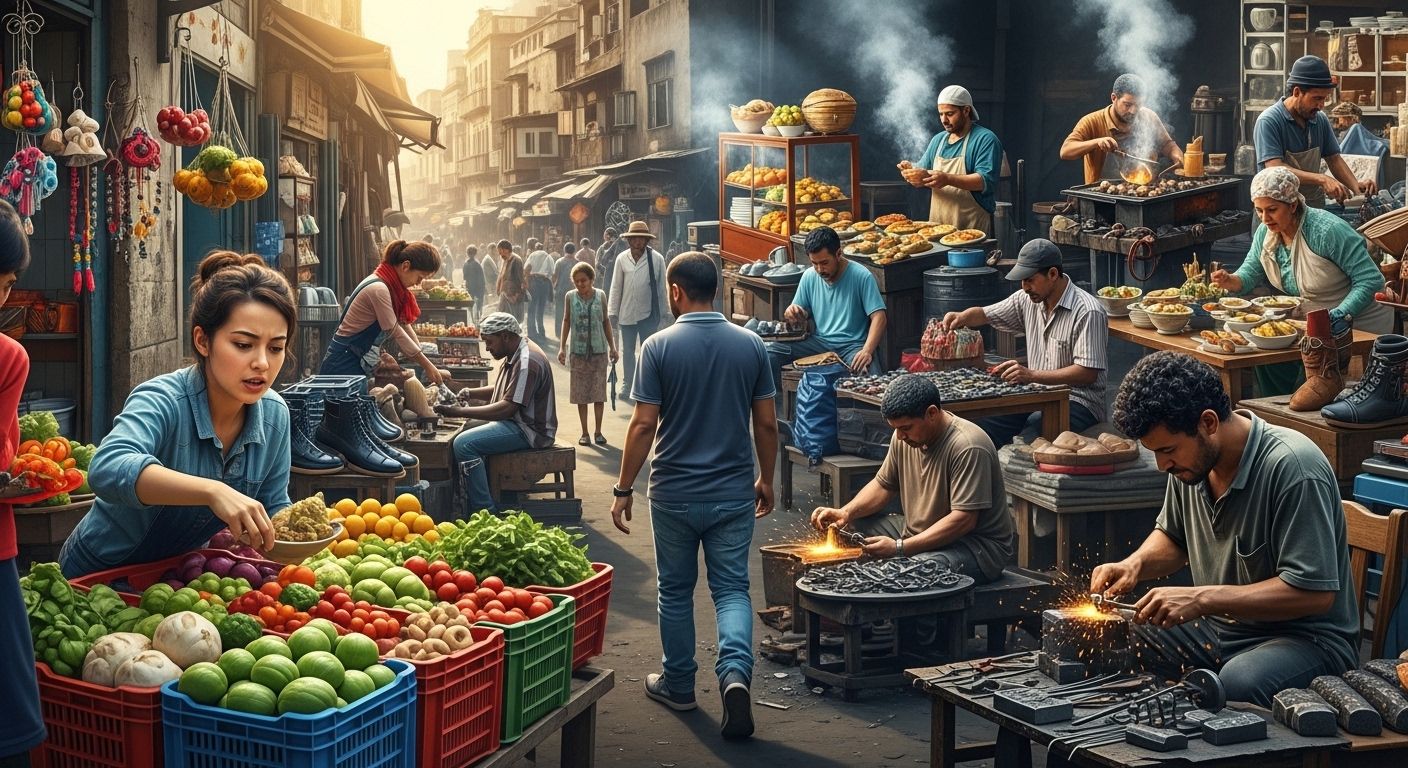
Nigeria’s economy is a dynamic landscape where the informal sector plays a surprisingly significant role, often acting as a hidden engine for growth in the formal economy. While sometimes viewed as operating outside the mainstream, this sector is a crucial incubator for entrepreneurship and a vital source of employment for millions. Recent studies suggest that the informal economy contributes substantially to Nigeria’s GDP, with some estimates placing it at over 50% of the nation’s gross domestic product. This robust presence highlights its resilience and adaptability, often outperforming the formal economy in growth rates.
The Dual Nature of Influence
The relationship between the informal and formal economies in Nigeria is complex, showing both positive and negative impacts. Over the long term, an increase in the size of the informal economy can actually boost formal GDP per capita, fostering growth through job creation and increased demand. This symbiotic relationship suggests that policies should aim to integrate, rather than eradicate, informal enterprises. However, in the short term, the informal sector can present challenges like unfair competition and tax evasion, which can affect formal businesses.
Informal Sector: A Breeding Ground for Entrepreneurship
For many Nigerians, the informal sector is the primary entry point into economic activity. It provides a flexible environment with low barriers to entry, allowing individuals to develop entrepreneurial skills and innovative solutions. This sector is a significant source of income for a large portion of the population, often serving as a safety net for those facing challenges in finding formal employment. The agility demonstrated by these businesses, operating with limited resources, allows them to respond effectively to market demands and changing economic conditions.
Challenges and Opportunities in Informality
Despite its contributions, businesses in the informal sector often face critical challenges. Limited access to formal financial services is a primary hurdle, as many operate on a cash basis and lack the collateral required for loans from traditional financial institutions. Furthermore, the unregistered status of many informal businesses means they often escape the tax net, leading to revenue losses for the government. This lack of regulatory oversight can also result in issues such as inconsistent product quality and less-than-ideal labor practices.
Bridging the Gap: Formalizing and Supporting the Informal Economy
Recognizing the immense contribution of the informal sector, policymakers are increasingly looking at ways to support and integrate these businesses into the formal economy. Initiatives focused on promoting entrepreneurship, providing access to finance, mentorship, and market linkages can help small businesses scale up. The Nigerian government has been exploring ways to support this sector, including potential subsidies for equipment and tax breaks for Micro, Small, and Medium Enterprises (MSMEs).

The Role of Government and Financial Inclusion
For the informal sector to truly thrive and contribute more significantly to national income, financial inclusion is paramount. Providing access to formal credit, insurance, and other essential business services can help these entrepreneurs save, invest, and grow. While government support is crucial, it needs to be accessible, transparent, and efficient, reaching a wider segment of businesses than the current estimated quarter of surveyed businesses. Streamlining processes and increasing awareness about available support can significantly enhance the impact of government initiatives.
Empowering SMEs for Sustainable Growth
Small and Medium-sized Enterprises (SMEs), many of which operate within or interact with the informal sector, are critical drivers of Nigeria’s economic development. They are estimated to contribute nearly half of Nigeria’s GDP and employ millions. However, these businesses often grapple with challenges like limited access to finance, infrastructural deficits, and unfavorable policies. To foster sustainable growth, there’s a need to address these hurdles by improving financial literacy, providing favorable loan terms, and investing in infrastructure like transportation networks.
Leveraging Technology and Partnerships
The adoption of contemporary technology is essential for SMEs to enhance their competitiveness and achieve scalability. While many still rely on outdated practices, providing robust training programs tailored to their needs can encourage the embrace of digital tools. Furthermore, fostering collaborations and strategic partnerships can help businesses mitigate problems, reduce overheads, and leverage available resources more effectively. By working together, these enterprises can transform Nigeria’s industrial capacity and contribute to a brighter economic future.